






Dear Friends & Collectors,
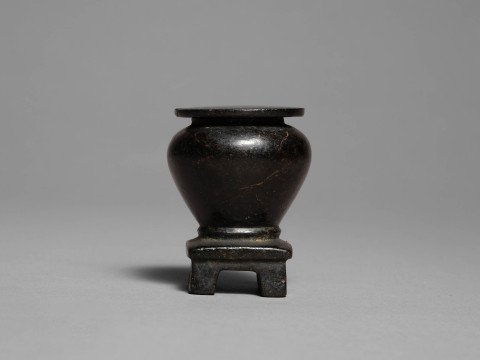
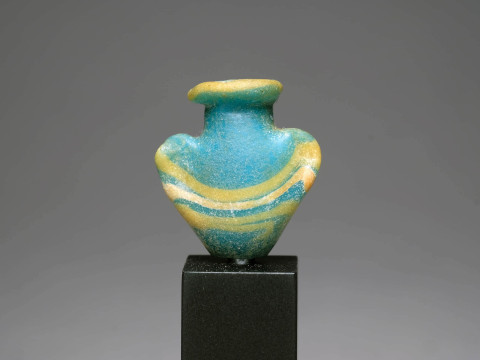
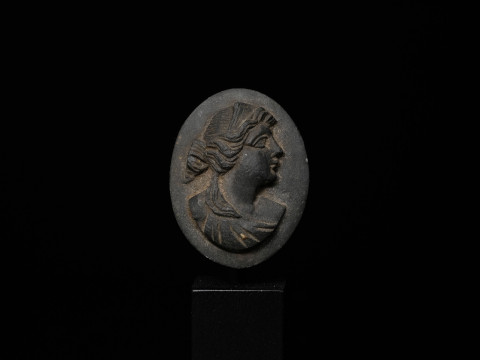
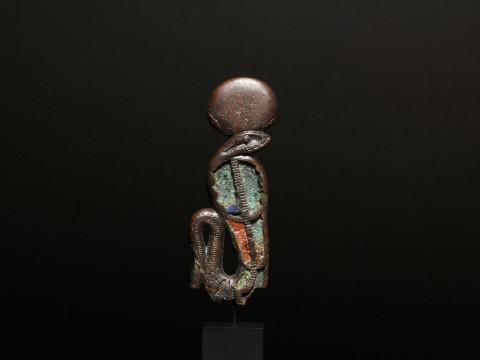
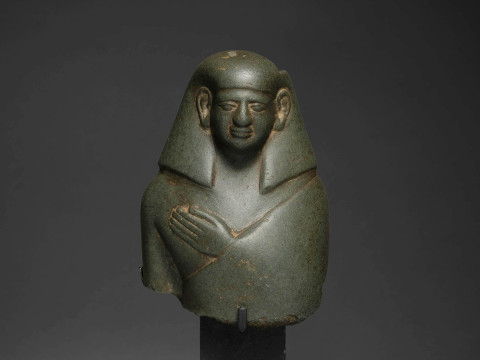
For nearly 50 years, we have dedicated ourselves to providing private collectors, art dealers, and museums with Egyptian ancient art and Classical antiquities. Our collection embraces the rich cultural history centered on the Mediterranean Sea, the early civilizations of the modern Middle East and ancient Egypt.
We have proudly built our reputation by providing exceptional pieces, offering superior customer service and forming long-term relationships with our valued customers, who I consider friends. As we continue to share a common appreciation and passion for the riches of the past, we pride ourselves in facilitating the possession of these ancient treasures for generations of enjoyment.
Should you have any questions or comments, please don't hesitate to contact us.
Sincerely,
Allan J. Anawati



BUY FROM A TRUSTED NAME
We are AADLA and CINOA certified



2005 Alexis Nihon Blvd.
Montreal, QC H4R 3C4
Canada
1.877.3MEDUSA
Int'l +1.514.735.8080
Fax +1.514.733.2082
support@medusa-art.comwww.medusa-art.com
JOIN OUR NEWSLETTER
BUY FROM A TRUSTED NAME
We are CINOA and AADLA certified


© 2026 Medusa Ancient Art, Inc.
All Rights Reserved.
On the web since 1996.



